If you still think SEO means picking one keyword and repeating it many times on a page, that method is old now. Search engines have changed a lot. Today, Google doesn’t just read the words on your page—it tries to understand the meaning behind them. This new way of doing SEO is called Semantic SEO.
In this article, we will explain what semantic SEO is, why it matters, and how you can use it in simple, easy-to-follow steps.
What Is Semantic SEO?
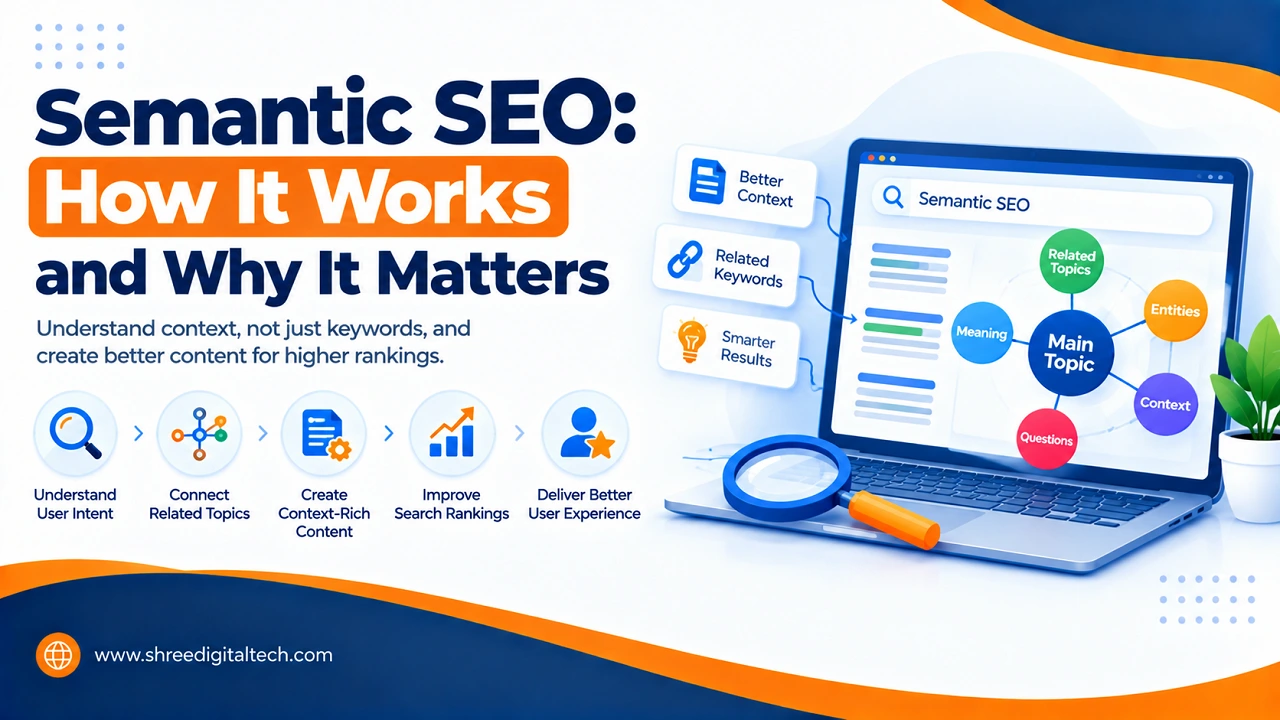
Semantic SEO means creating content around a full topic instead of just one keyword. It focuses on understanding what the user actually wants (search intent) and giving them complete, useful information. Instead of matching exact words, search engines now look at the meaning and the relationship between words on a page.
In short, old SEO was about “strings” (exact keywords). Semantic SEO is about “things” (real topics, ideas, and entities).
Why Did SEO Change This Way?
In the past, Google mostly looked at keywords. If you used the phrase “Paleo Diet” many times on a page, Google would think the page was about the Paleo Diet. This led many websites to repeat keywords again and again, which is called keyword stuffing.
In 2013, Google launched an update called Hummingbird. This update changed how Google understands search queries. Instead of only matching exact keywords, Google started to understand the full meaning of a search. So now, when someone searches “Paleo diet health benefits,” Google looks for the page that covers this topic the best, not just the page that repeats those exact words.
This is why keyword stuffing does not work anymore. Search engines are smart enough to understand context, related words, and the real purpose behind a search.
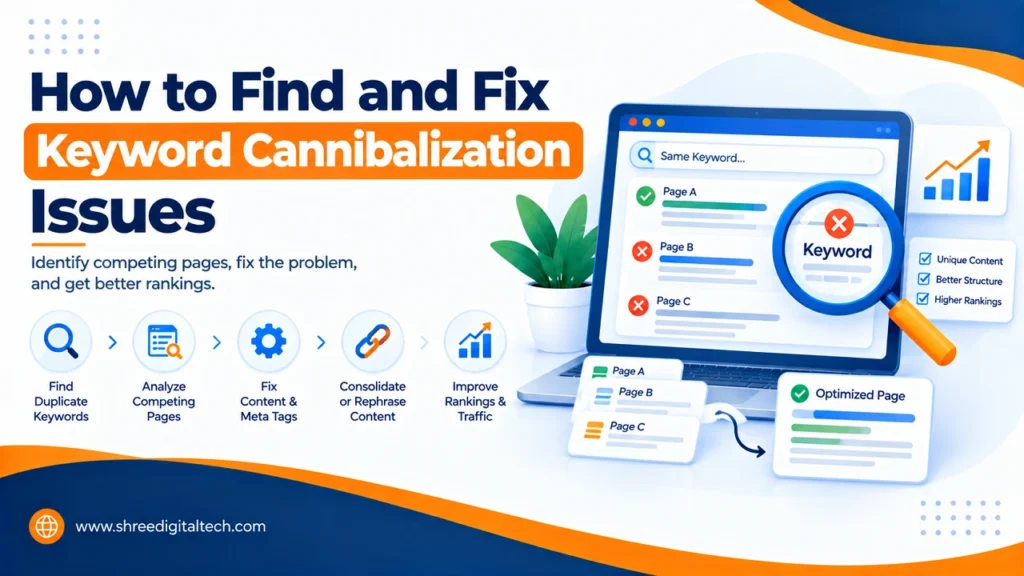
Also Read: How to Find and Fix Keyword Cannibalization Issues
Why Does Semantic SEO Matter Today?
Semantic SEO is important for many reasons:
1. AI Overviews and Zero-Click Searches
Google now shows AI-generated answers directly on the search page. If your content is not clearly structured with simple explanations, Google’s AI may not use it as a source, and you could lose traffic.
2. Voice Search Is Growing
People don’t type short keywords into voice assistants. They ask full questions like, “Where can I find a good digital marketing course near me?” Semantic SEO helps your content match these natural, conversational questions.
3. Topical Authority Matters More Than Age
In the past, a big or old website could rank for almost anything. Now, Google prefers websites that show deep knowledge on a specific topic through many connected pieces of content. This is called topical authority.
4. Better User Experience
When your content answers the real question people have, they stay longer, trust your website more, and are less likely to leave quickly (lower bounce rate).
Core Ideas Behind Semantic SEO
1. Focus on Topics, Not Just One Keyword
Instead of creating a short 400-word post around one keyword, write in-depth content that covers the whole topic. For example, instead of writing “7 Tips for Mobile SEO,” you could write a complete guide that explains everything about mobile SEO. Pages that fully cover a topic usually rank better because they answer more questions in one place.
2. Understand Entities
An entity is a specific idea, person, place, or concept connected to your topic. For example, if you write about “Apple,” Google needs to know if you mean the fruit or the technology company. If you mention words like “iPhone,” “iOS,” and “Steve Jobs,” Google understands you are talking about the tech company, not the fruit. Adding related entities helps search engines understand your exact topic without needing to repeat the main keyword again and again.
3. Build Topic Clusters
A great way to show topical authority is by creating a pillar page and several cluster pages around it.
- Pillar page: A big, complete guide on the main topic (for example, “The Ultimate Guide to SEO”)
- Cluster pages: Smaller, detailed articles on related subtopics (like “What Is Schema Markup?” or “How Does Voice Search Work?”)
All cluster pages link back to the pillar page. This structure tells Google that your website understands the topic deeply.
Also Read: How to Audit Internal Links on a Website
4. Target Multiple Keywords on One Page
You don’t need a separate page for every version of a keyword anymore. For example, “best cookie recipe” and “best cookies recipe” show almost the same search results because Google understands they mean the same thing. So instead of creating many pages for similar keywords, create one strong page that naturally covers all related terms.
5. Write Topic Outlines Before You Write Content
Before writing, make a list of all subtopics you want to cover. This helps you create content that fully answers the topic instead of missing important points. It also makes your writing more organized and useful for readers.
6. Answer “People Also Ask” Questions
Google shows a box called “People Also Ask” with common questions related to a topic. Including clear answers to these questions in your content can help you rank better and even appear inside these boxes.
7. Use Natural, Conversational Language
You don’t need to force awkward keywords into your writing. Instead, write the way people actually talk. This also helps with voice search, since spoken questions are more natural and conversational than typed keywords.
8. Add Structured Data (Schema Markup)
Structured data, also called Schema, helps search engines understand your content better. Think of it like a translator between your content and the search engine. You can use Article Schema, FAQ Schema, or Course Schema depending on your content type. While Schema alone may not boost rankings directly, it helps Google understand your page and can also help you get rich snippets in search results.
9. Match Search Intent
There are different types of search intent:
- Informational: The user wants to learn something (example: “What is SEO?”)
- Commercial: The user is comparing options (example: “best SEO courses”)
- Transactional: The user is ready to take action (example: “buy SEO course now”)
Your content should match the right intent. If someone wants information but your page is only trying to sell something, it won’t perform well in search results.
How to Check If Your Content Is Semantically Strong
A simple trick is this: remove your main keyword from the content and read it again. If the topic is still clear and easy to understand, your content is likely well-optimized for semantic SEO. If the topic becomes confusing without the keyword, you may be relying too much on repeating words instead of explaining the idea clearly.
Also Read: What is Search Visibility and How it Works
Final Thoughts
Semantic SEO is not about ignoring keywords completely—it’s about going beyond them. Search engines today want content that fully explains a topic, uses related terms naturally, and matches what users are really searching for. By focusing on topics, using structured data, building content clusters, and writing in a natural way, you can create content that performs well both for readers and for search engines.
FAQ Section
Q1. What is semantic SEO in simple words?
It means creating content based on meaning and topics instead of just repeating one exact keyword. It helps search engines fully understand what your page is about.
Q2. How is semantic SEO different from traditional SEO?
Traditional SEO focuses on keyword repetition. Semantic SEO focuses on context, related topics, and user intent, and it lets one page rank for many related keywords.
Q3. What are entities in semantic SEO?
Entities are specific ideas, people, places, or concepts connected to a topic. They help search engines understand exactly what your content is about, even without repeating the main keyword many times.
Q4. Do I still need to use keywords in semantic SEO?
Yes. Keywords are still important. The difference is that now you can target multiple related keywords on a single page instead of creating a separate page for every variation.
Q5. Why is semantic SEO important for voice search?
Voice searches are usually full, natural questions, not short keywords. Semantic SEO helps your content match these conversational questions more easily.
Q6. How can I check if my content is semantically optimized?
Remove your main keyword from the text and read it again. If the topic is still clear, your content is well optimized. You can also use tools like Google’s Natural Language API to check important entities in your content.