Introduction
When running a local business today, it’s not all about the product/service. If no one can find you on the internet, they’ll just go to the competition who is ranking at the top of Google or Instagram. These days, most customers go online first, rather than straight to the store, to book appointments or order food. That is why it is essential for all small and big businesses to have a simple and effective digital marketing strategy.
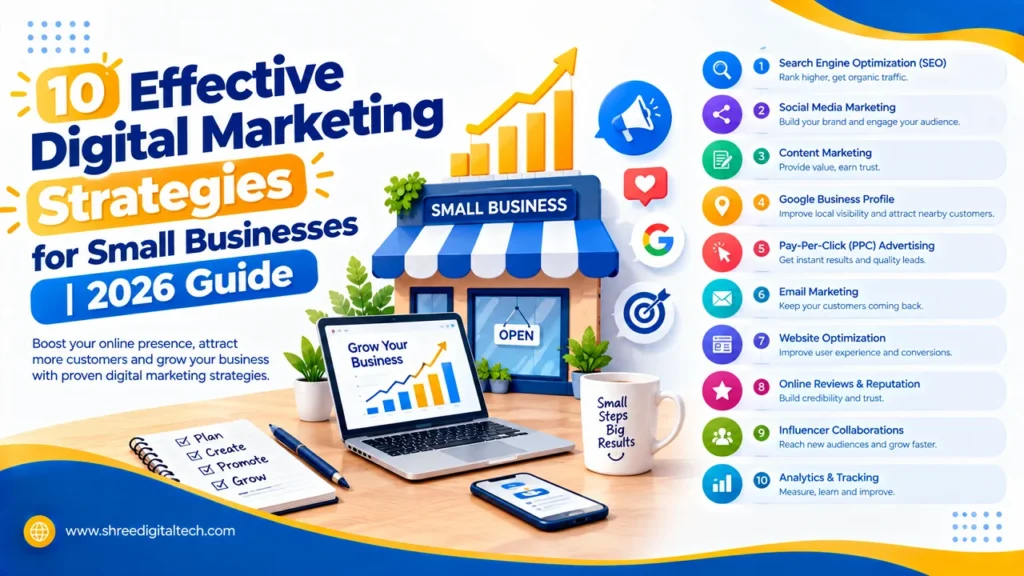
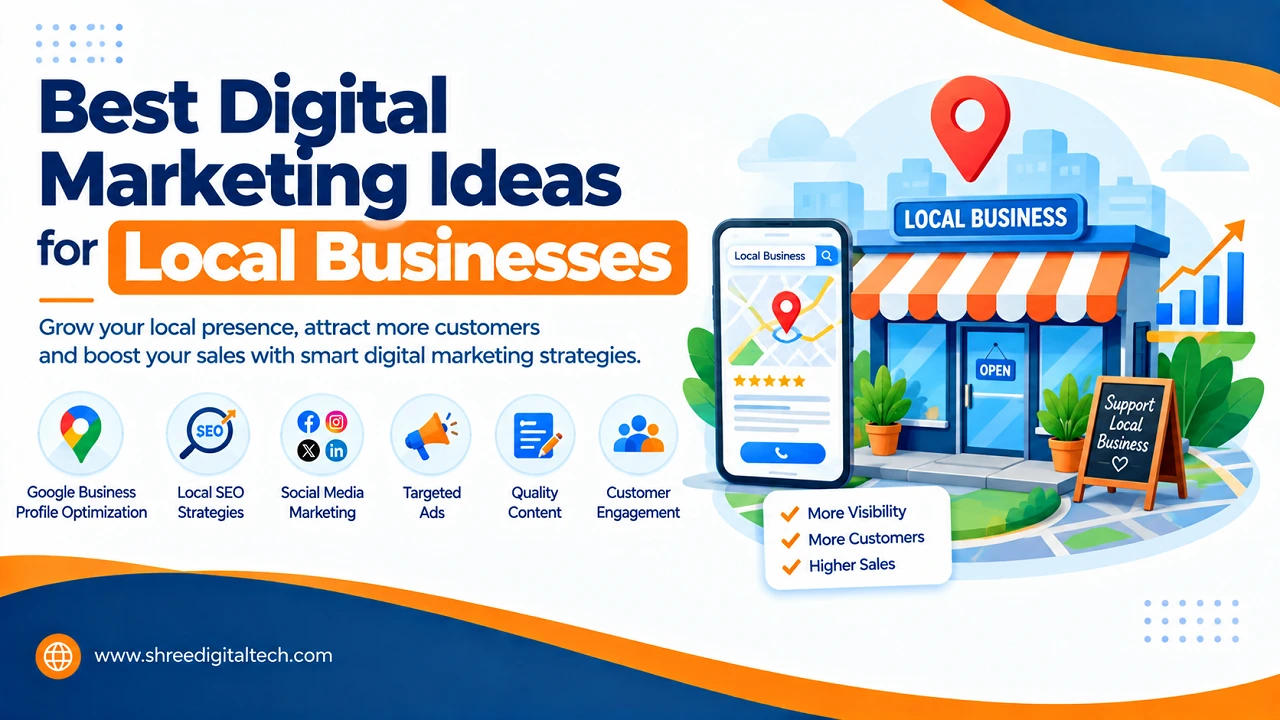
Fortunately, digital marketing for local businesses doesn’t have to cost a lot. Even a small shop or new business can beat the big brands in the neighborhood with the proper ideas and persistence. Here are the top digital marketing strategies for your local business to help it thrive online and get more local traffic.
1. Set Up and Optimize Your Google Business Profile
This is the foremost and most essential step for any local business. Google Business Profile (previously Google My Business) is free, and it can make your business visible when someone types in your service and terms such as “near me” or your city name.
Enter all information accurately, such as your business name, address, phone number, hours of operation and category. Include photographs of your store, products, or staff. Continue to post regularly and offer, and respond to customer questions and reviews. A full and active profile increases your business’s local SEO ranking and helps to foster trust.
2. Focus on Local SEO
Local SEO is all about making it easy to find you if your prospects are looking in your city or area. Instead of just a simple keyword, incorporate a location to your website’s text, for example, “bakery Kanpur” or “plumber near me.
If you provide more than one location or service, make new pages for each. You should put your company name, address, and phone number at the bottom of your web page, and maintain consistency in this information on all platforms. This uniformity makes search engines more likely to trust your company and boost its local search ranking.
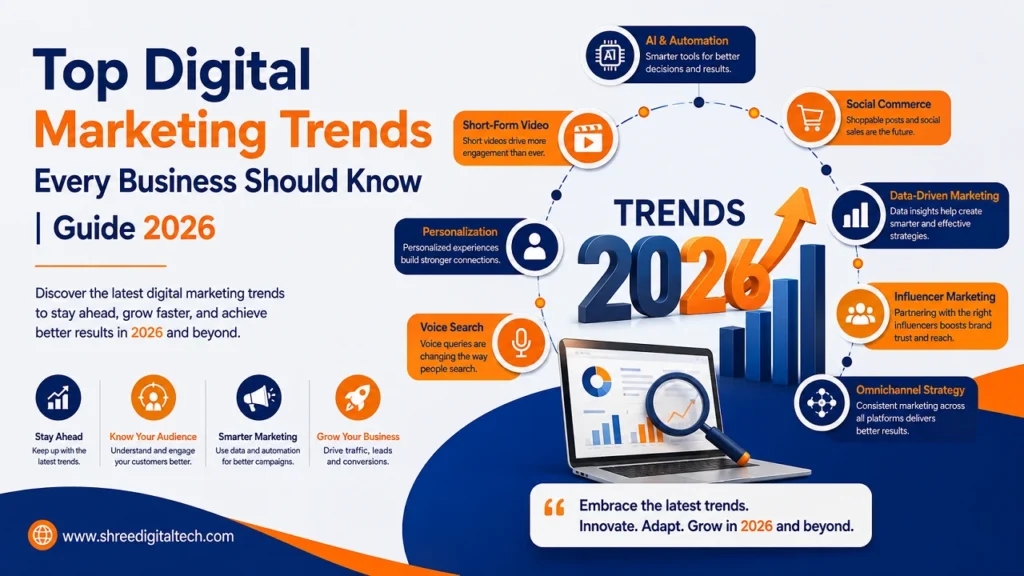
Also Read: Top Digital Marketing Trends Every Business Should Know | Guide 2026
3. Create a Fast, Mobile-Friendly Website
The vast majority of people today search and browse online with their mobile phone rather than their computer. Users will abandon your site within seconds if it takes more than a few seconds to load or doesn’t display well on mobile devices, and they probably won’t return.
Optimize your website for speed, design and small screens. Include call, directions and WhatsApp buttons. A smooth website experience will help to maintain visitors’ engagement and boost traffic to become customers.
4. Get Listed in Local Directories
Apart from Google, list your business in your other popular directories like Justdial, Yelp and industry-specific directories. These listings are also referred to as “local citations” and are good for promoting your online reputation.
As you would do with your site, be consistent with your business name, address and phone number in all directories. This consistency is noticed by search engines and is a trust signal that can help you make better progress in your local search results in the long run.
5. Use Social Media to Connect Locally
Social media apps such as Instagram, Facebook and WhatsApp Business are excellent options for targeting individuals in your community. Share ongoing product, offer, behind-the-scenes, and customer stories regularly in order to keep your audience engaged.
Utilize location tags and hashtags in the local area to allow local people to find your page. Additionally, you can collaborate with local influencers or micro-creators with existing audiences who are interested in your target demographic. Another easy way of increasing engagement is to conduct small giveaways or polls to attract new followers who may turn into customers.
Also Read: What Is Digital Marketing? Learn the Basics Step by Step (2026)
6. Run Targeted Local Ads
One of the quickest methods that can help you gain awareness is through paid advertising. At the Google Ads service level and social media ads, you are able to target people who are within a certain distance from your shop, for example within 10 to 15 km.
This way, you don’t waste your ad money on folks who are not close enough to come to your location or use your service. If you have a call button on the ad, it’s even easier for interested customers to contact you immediately, without having to take any extra steps.
7. Create Helpful, Local Content
Content marketing isn’t something that is exclusive to huge companies. You can get regular traffic to your site by writing short blogs about local activities, frequent customer issues or “best in your city” guides.
When you create this kind of content, it lets them know that you are aware of your local audience and makes your business a trusted name in the area. This too contributes to your website ranking higher with local searches over time.
8. Collect and Showcase Reviews
Buyer’s decisions are heavily affected by online reviews. Ask customers to write a review on Google or other sites when they are happy, and respond courteously with both positive and negative reviews.
When you post a positive review on your website and social channels, it instills confidence in new customers that your business follows through on its claims.
9. Stay in Touch Through Email and WhatsApp
New customers are good, but retaining customers is better. An offer, a new arrival or seasonal discount is enough to keep your business alive in customers’ minds and get them back again simply by making it known through email or WhatsApp.
Final Thoughts
The best digital marketing for local companies is when multiple strategies are employed and not singular. Keep it simple by beginning with your Google Business Profile and local SEO and gradually get in touch with social media, ads, content, and reviews. It’s not about perfection but consistency, and your business can grow steadily over time with small efforts and develop a solid local business presence.
Frequently Asked Questions
1. What does digital marketing mean for local businesses?
It involves using digital platforms such as Google search, social media and ads to connect with customers in a local area who are either living or working near your business. The idea is to be discovered by potential customers in your vicinity who have a direct need for your product or service.
2. Which is the most important digital marketing step for a local business?
The initial and most significant step is typically to create and optimize your Google Business Profile, which can make a big difference in how you are presented on Google maps and local searches.
3. What is the difference between local SEO and traditional SEO?
Local SEO targets location-specific words such as “near me” or location-specific phrases or keywords, while regular SEO targets general, broad keywords.
4. How much budget does a small business need for digital marketing?
There is no set figure. There are lots of strategies that cost nothing but time, such as Google Business Profile, Social Media posting and obtaining reviews. The investment of paid ads can be low and can be increased if the ads gain more desired results.
5. What is the time period required to see results?
The results of free methods such as SEO and Google Business Profile will take a few weeks to a few months, whereas paid ads can provide visibility within a day or two of launching.
6. Do I really need a website if I already have social media pages?
Yes. A website allows your business more credibility, more search visibility, and complete control of your content that a social media page can’t offer you as much.
7. What are the benefits of online reviews for a local business?
Positive reviews will increase customer confidence in your business, as well as helping your business appear higher in local search results, as search engines believe that reviews are a sign of a real and reliable business.