Attention is what every business is trying to get, no matter how big or small. People see ads, emails, and notifications every day, and most of them have learned to ignore this constant flow of messages. That’s exactly why content marketing has emerged as one of the best ways for brands to set themselves apart — not by shouting louder, but by being genuinely useful.
What is Content Marketing?
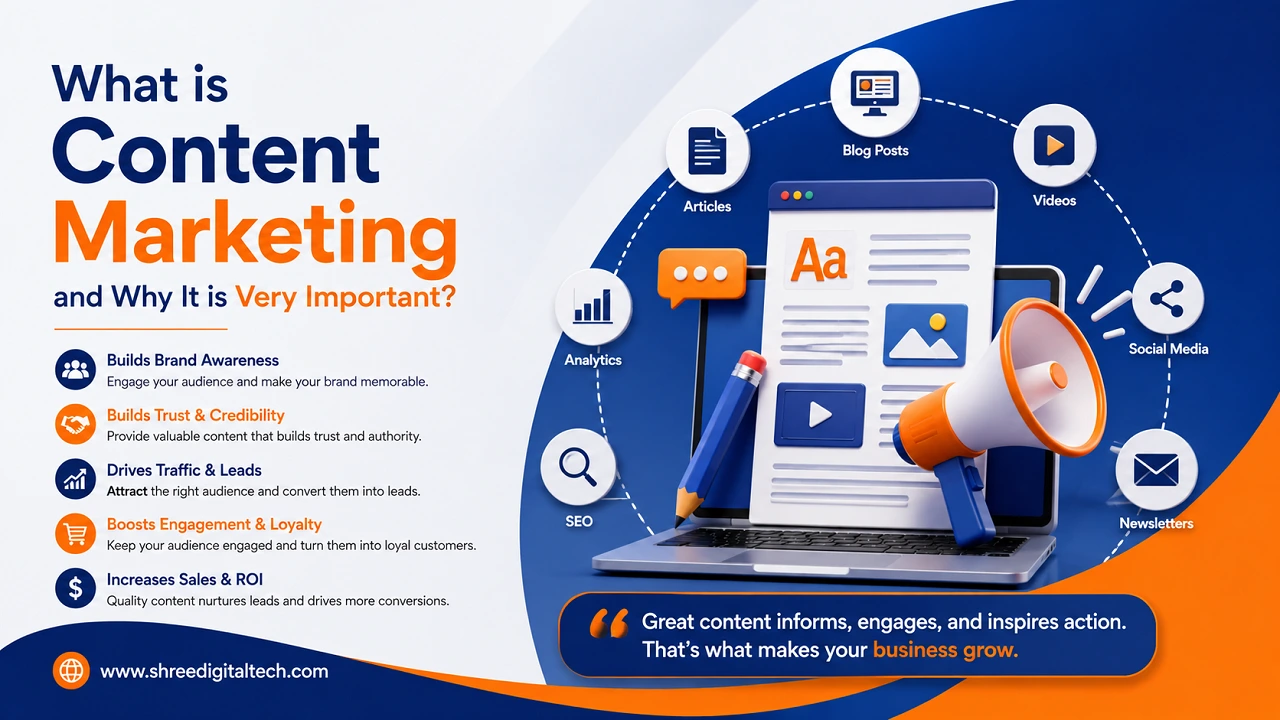
Content marketing is the process of creating and distributing valuable, relevant material — blog posts, videos, podcasts, guides, social media posts and more — to attract, engage and ultimately convert an audience into loyal customers. Content marketing is the inverse of a traditional advertisement pushing a product. It pulls people in by answering their questions, solving their problems, or simply entertaining them. This builds trust over time, and trust is what turns a stranger into a customer and a customer into a repeat buyer.
Fundamentally, content marketing is communication with no hard sell. Instead of telling an audience “Buy this now”, a business gives information that helps people in their day-to-day lives or business decisions. None of these contents directly ask for a sale – but they do each position the business as a knowledgeable, trustworthy resource.
How Content Marketing Is Different from Traditional Advertising
Traditional advertising is direct and transactional, it interrupts people with a sales message and asks for an immediate action. Content marketing works the other way around. It’s a concept within inbound marketing, which focuses on attracting people to your brand without interrupting them with outbound promotions. When Content marketing stays in people’s minds when they’re ready to buy because it builds a relationship with them over time, even before they’re ready to buy.
Why Content Marketing is a Great Way to Build Trust and Authority
If a business always shares correct and useful details, it means they know what they’re talking about. Audiences begin to see that brand as an authority, not just another company trying to sell them something. You can’t buy that sort of credibility with advertising. It builds over time as the users discover and share the content.
How It Improves Organic Reach & Visibility
Search engines favour websites that consistently post relevant, well-structured content. A library of articles, guides and videos helps a business rank higher in search results so more people find the brand without the company having to pay for every click. This visibility is also organic on social media, where valuable content is more likely to be shared and discussed.
How It Generates & Provides Leads
Content like checklists, case studies, and how-to guides can give potential customers a reason to share their contact info or engage more with a brand. Content-generated leads tend to be warmer and more responsive than cold outreach leads because the content has already provided value up front. This is a smooth sales process as the leads are coming in with knowledge and trust.
How Content Marketing Supports the Client’s Journey
Content serves different purposes at different points in a customer’s decision-making journey:
• Awareness Stage: Content should make people aware of their problems, pain points or interests, without selling them.
• Consideration Stage: The content should combine useful information with how the business can solve particular needs, for example, case studies or comparison guides.
• Closing Stage: Content can showcase expertise, testimonials, and differentiators to help sway the decision in the company’s favour.
Getting the right content to the right stage means the audience gets what they need when they need it, not when you’re trying to force a sale too soon.
Why It’s a Budget-Friendly Growth Strategy
Paid advertising stops working as soon as you run out of budget, but good content works for months or years after it’s been published. One way to grow a business over time that is more sustainable is through content marketing – a well-written blog post or evergreen guide can continue to bring in visitors and leads years after the initial investment.
How to Build Brand Loyalty
Customers who feel informed and supported by a brand are more likely to stay loyal, buy again and recommend the business to others. Content marketing helps to build this ongoing relationship, rather than each interaction being a one-off transaction. It’s particularly helpful for businesses that rely on repeat customers or referrals.
How Content Marketing Works in Practice
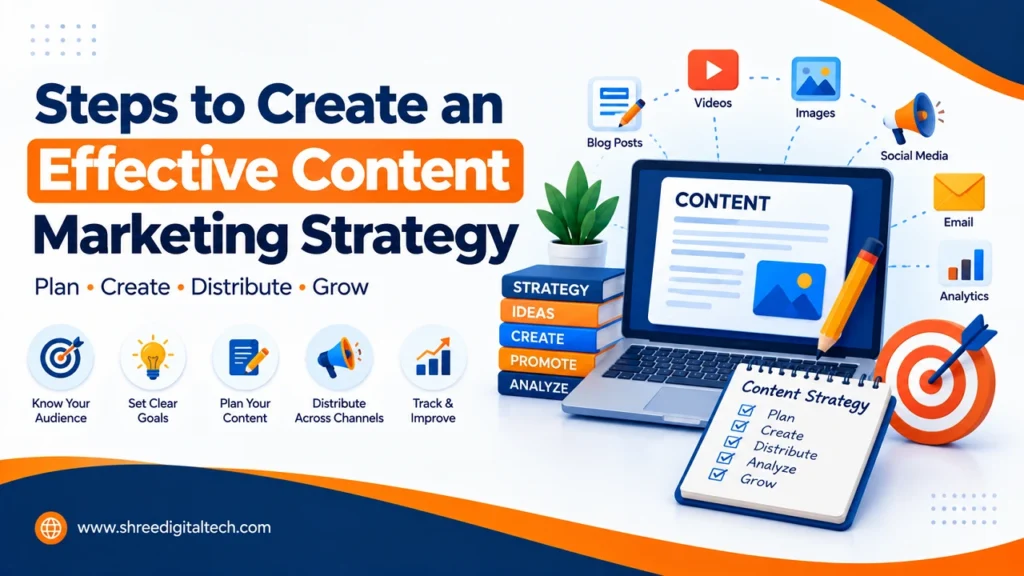
A good content marketing strategy is usually a straightforward process: learn about your audience, develop content to serve their needs, distribute it through the right channels and evaluate the results to improve your approach.
It begins with knowing who you’re trying to reach — their pain points, interests and preferred formats. From there, businesses select the right mix of content types, whether it’s blog articles, short-form videos, podcasts, infographics, e-books or webinars. The format has to fit the audience’s habits and the stage of the buyer’s journey you’re targeting.
The distribution is as important as the creation. If no one sees the best article, no one gets results. That’s why content marketing is so closely tied to channels like search engine optimization (SEO), email newsletters and social media promotion. Publishing content where the target audience already spends time — whether that’s LinkedIn, Instagram or a company newsletter — guarantees that the effort pays off.
Consistency and Measurement are Important
Content marketing is meant to build trust and recognition, but publishing once in a while doesn’t do that very well. Being consistent helps build a brand voice that people can recognise and keeps them interested over time. Additionally, tracking metrics like website traffic, engagement, lead generation, and conversion rates allow businesses to understand what’s working for their audience and tweak their strategy moving forward.
Getting Started with Content Marketing
It doesn’t have to be difficult, although content marketing can be difficult for businesses who have never done it before. A good practical starting place is:
• Knowing your audience – their needs, challenges and wants.
• Choose content formats that work well with what you have and where your audience already spends time.
• Building a realistic content calendar so you can publish consistently without burning out your team.
• Strategically share content across your website, email and social channels.
• Measure performance regularly and adapt based on what truly matters for engagement and leads.
The best companies approach content marketing as a long game not a quick campaign. It takes time to build an audience and earn their trust, but once you have that foundation it is one of the most sustainable and cost-effective ways to grow.
FAQs
1. What is the main purpose of content marketing?
The main idea is to build and engage an audience through the offering of valuable information. It builds trust and may result in more customers over time.
2. How are content marketing and traditional advertising different?
Traditional advertising is more about selling the product or service, making quick sales. Content marketing is about giving your audience something relevant or interesting and building a relationship with them.
3. What kind of content is generally used?
The usual types of content are: blog posts, videos, podcasts, images, e-books, case studies, webinars, social media posts. The best type of book will depend on your audience and business goals.
4. How long will it take to see results with content marketing?
Content marketing usually takes time. You will see results in a few months because you need to post helpful content regularly and build trust with your audience.
5. Is content marketing affordable for small businesses?
Yes. Small businesses can get started with simple blog posts, videos, or social media content. With more budget and resources, they can boost up their efforts.
6. Do I need special writing or technical skills to start?
No. There are a lot of very user-friendly tools that can assist with content creation. Businesses can always hire freelancers or agencies to help out.
7. How do I measure the effectiveness of my content marketing?
See visits to your website, time on pages, social shares, leads and sales. Keeping track of these metrics over time can show how well your content is doing.