When you’re creating content for your website or blog, there’s one huge question you must ask yourself: do you create content on subjects that will still be relevant and beneficial to people years from now, or do you create content on subjects that are hot and trendy right now? These two are referred to as evergreen content and trending content. Both can be great to help your business grow, but they have very different functions.
In this guide, we break down the meaning of each and detail how they differ, as well as how to utilize both in a smart content plan.
What Is Evergreen Content?
Evergreen content continues to be valuable and pertinent over time. This content is not easily outdated, much like an evergreen tree that remains green all year long. These topics continue to be searched on a regular basis each month and the page continues to draw visitors.
Common examples:
- Step-by-step instructions and How-to guides
- Beginner guides
- Frequently asked questions
- Tips and best practices
- Resource pages and templates
Main benefits:
- Brings steady traffic from Google over a long time
- Builds trust and shows your expertise
- Helps your site rank better as the page gains authority
- Creates leads for months or even years
- Supports internal linking across your website
Evergreen content is not “write once and forget. It still requires periodic review and updating of facts, numbers and links to ensure its accuracy, even a few times a year.
Also Read: Blog vs Video Content: Which Drives Better Results?
What Is Trending Content?
Trending content is what people are conversing with currently. It’s about fresh news, new updates, new tools or popular topics. The idea is to grab the attention at an early stage when interest is high.
Common examples:
- Google algorithm updates
- New social media features
- Industry news and reactions
- Predictions for the new year
- Content around a new tool or technology
Main benefits:
- Can bring a fast jump in traffic
- Boosts social media shares and engagement
- Shows your brand is active and up to date
- Helps you reach new audiences
- Can help grow your email list and retargeting audience
The downside is that interest fades. Once the topic is no longer new, traffic usually drops.
Evergreen vs Trending Content: Key Differences
| Point | Evergreen Content | Trending Content |
| Lifespan | Long (months or years) | Short (days or weeks) |
| Traffic pattern | Slow and steady | Quick spike, then drop |
| Main goal | Long-term SEO and leads | Attention and awareness |
| Search intent | Informational and buying-related | Mostly news and curiosity |
| Effort over time | Needs regular updates | Needs fast publishing |
| Lead potential | High | Medium |
| Examples | “How to start a blog” | “New Google update explained” |
In simple words: evergreen content is your long-term growth engine, and trending content is your quick visibility boost.
Which One Is Better for SEO?
Neither is “better” in every case. It depends on your goal.
- If you want steady traffic and leads over time, focus more on evergreen content.
- If you want quick attention or to join a current conversation, use trending content.
Most experts recommend that you use evergreen content as the foundation for your plan, with a few posts about trending topics when they arise in your industry.
Also Read: Steps to Create an Effective Content Marketing Strategy
How to Use Both in the Buyer Journey
There are stages that people pass before they make a purchase. There is a specific stage for each type of content.
- Awareness stage: Trending posts and broad guides help new people find you.
- Consideration stage: Evergreen guides and comparison articles help people judge their options and trust you.
- Decision stage: Evergreen service pages and strong calls to action help turn visitors into leads.
The thinking behind creating trending content is that it’s the way people find you, and evergreen content is the way they choose to do business with you.
Tips to Build a Balanced Content Plan
- Start with evergreen topics. Research keywords that people search all year and write helpful, detailed answers.
- Add trending posts when they matter. Use tools like Google Trends to spot rising topics, and publish quickly.
- Update old content. Review your evergreen pages regularly and refresh data, examples, and links.
- Reuse trending content. After the buzz ends, turn a trend post into a lasting lesson or guide.
- Add clear calls to action. Every post should guide readers to a next step, like reading another article, subscribing, or contacting you.
- Track results. Use Google Analytics and Google Search Console to see which pages bring traffic and leads.
- Share on social media. Trending posts especially get more reach when shared at the right time.
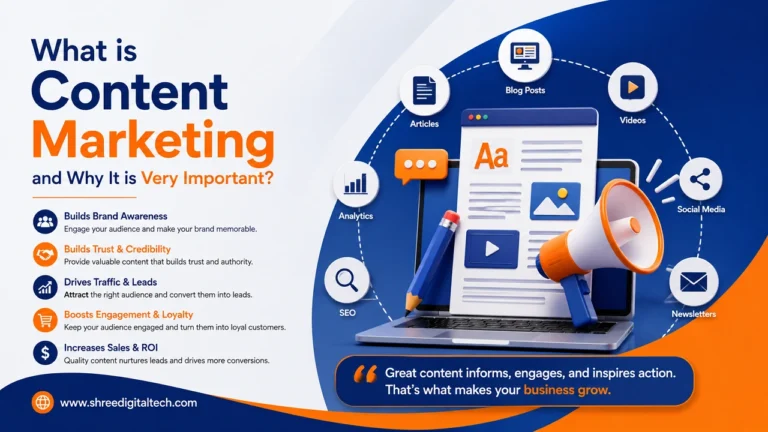
Also Read: What is Content Marketing and Why It is Very Important?
Final Thoughts
Trending content focuses on current events while evergreen content provides relevant, evergreen information. Evergreen content provides you with evergreen traffic, trust and leads. Trending content is quick to receive attention and helps your brand stay top-of-mind. Best content strategy is using both: establish a strong foundation of evergreen material and post relevant content when it’s needed.
Frequently Asked Questions
1. What is evergreen content in simple words?
Evergreen content is content that remains useful over an extended period of time. Reliance on news and dates is not required so people continue to read it for months or years.
2. What is trending content?
Trending content is what is currently popular and trendy, for example, news, new updates, or new technology. People pay attention to it quickly but lose interest once it becomes old.
3. What is the difference between evergreen and trending content?
The primary difference is the lifespan. Trending content has a quick spike and then it trickles off, whereas evergreen content has a gradual ascent and works over a longer period of time.
4. Which is better for SEO, evergreen or trending content?
Long-term SEO is often improved with evergreen content since it continues to rank and drive traffic. With trending content, you can focus on short-term visibility.
5. Can I use both types of content together?
Yes, and you should. Use evergreen content as your foundation and add trending content when important news or updates appear in your field.
6. Does evergreen content need updates?
Yes. Even timeless content should be checked a few times a year. Updating facts, links, and examples helps it keep its rankings and stay trustworthy.
7. Which type of content brings more leads?
Evergreen content usually brings more leads because it matches people who are searching for answers or ready to take action. Trending content mainly builds awareness.
8. How often should I publish trending content?
There is no fixed rule. Publish it when a topic is truly important to your audience and you can post quickly. Quality and speed matter more than quantity.
9. Can trending content become evergreen?
Sometimes. You can rewrite a trend post after the buzz ends and focus on the lasting lessons, so it stays useful over time.
10. What are some good examples of each?
Evergreen: “How to Write a Blog Post” or “SEO Basics for Beginners.” Trending: “What the Latest Google Update Means for Your Website.”
Ask AI about this article
Get a quick summary or ask follow-up questions.

Akash Yadav
Part of the Shree Digital Tech team, helping businesses in the USA, UK, Canada, Australia, Europe and India grow with SEO, paid media, content and websites.