Everyone who owns a business wants their website to get more visitors, enquiries, and sales. So when people start SEO the first question they usually ask is, “How quickly will I rank on Google?”
SEO takes time, that’s the honest answer. It is not a switch you turn on. It’s more like growing a plant, you water it regularly and after a few months you start seeing real growth. But once that growth happens, it just keeps paying you back for years.
Let’s understand why SEO works this way and why patience pays off.
SEO Results Take 6 to 12 Months to Show (And That’s Normal)
Most SEO experts agree that it generally takes 6 to 12 months to see clear results – more visitors, more leads and more revenue. Your site doesn’t get to page one overnight. It’s a slow climb one spot at a time, and the best results come once you get into the top 10.
The Reasons For This Delay Are Simple:
- Search engines need time to find and understand your site. Google uses complex algorithms, and it takes time for the search engine to discover your website, index it, and rank it based on the relevance of your page and the authority of your website.
- Your competitors are also working. There’s a lot of competition online especially in popular markets so it takes time to stand out in both content quality and authority.
- It takes time to write good content. The creation of valuable content and then optimisation for search engines is an ongoing process that takes patience and consistency.
- Links are built slowly. Organic backlink building is a time consuming process that involves outreach, content marketing and relationship building with other sites.
- Technical work matters. Page speed, responsive design, site architecture, and regular updates affect your rankings.
None of these things can be hurried. And that’s exactly why SEO makes something tangible.
Also Read: Keyword Mapping Explained: A Complete Beginner’s Guide
It is Normal For Rankings to Go Up and Down
One of the most common concerns: “My ranking dropped this month – is something wrong?”
Things are fine most of the time. Search engine optimization is not a one-time process. Rankings change over time naturally even if a website is doing really well. Algorithms change, competitors change strategy and user behaviour changes – so ranking fluctuations are not just normal, but normal and to be expected.
Google makes thousands of minor changes to its search algorithm each year, as well as a few bigger updates that can more broadly impact search results. These updates reward sites with helpful and relevant content, good user experiences, authoritative information and trustworthy sources. When an update is released, Google will re-crawl to see which sites are the best fit, and rankings can move. Things usually settle down once the update is complete.
Competition is another factor. If another site is posting fresh content or optimising its SEO, it could outrank you for a period of time. That doesn’t mean your site has gone downhill – it just goes to show how competitive search results are.
“Don’t look at weeks, look at trends. A keyword can jump around a bit month to month, but still shows steady improvement over a six month period.
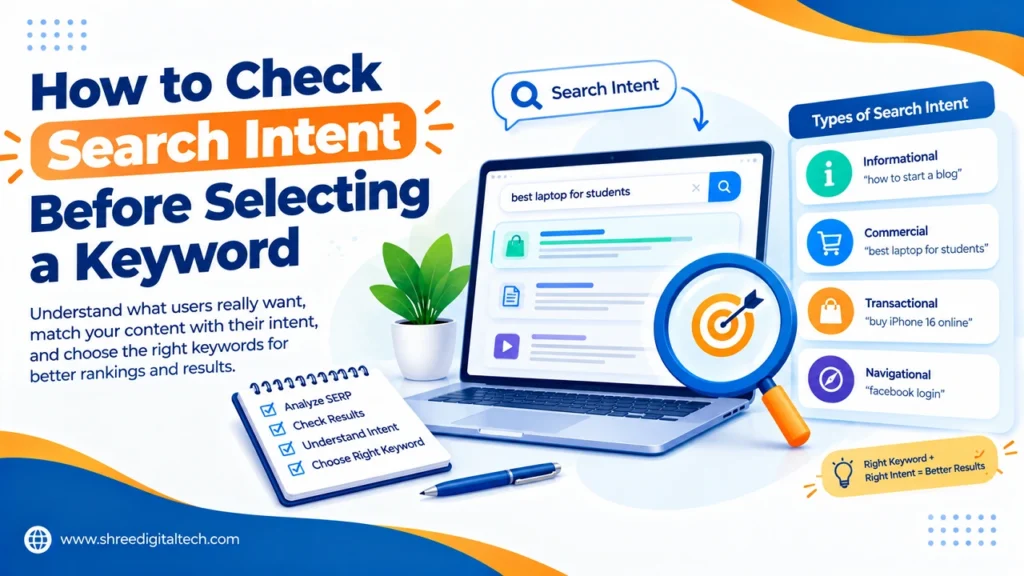
Also Read: How to Check Search Intent Before Selecting a Keyword
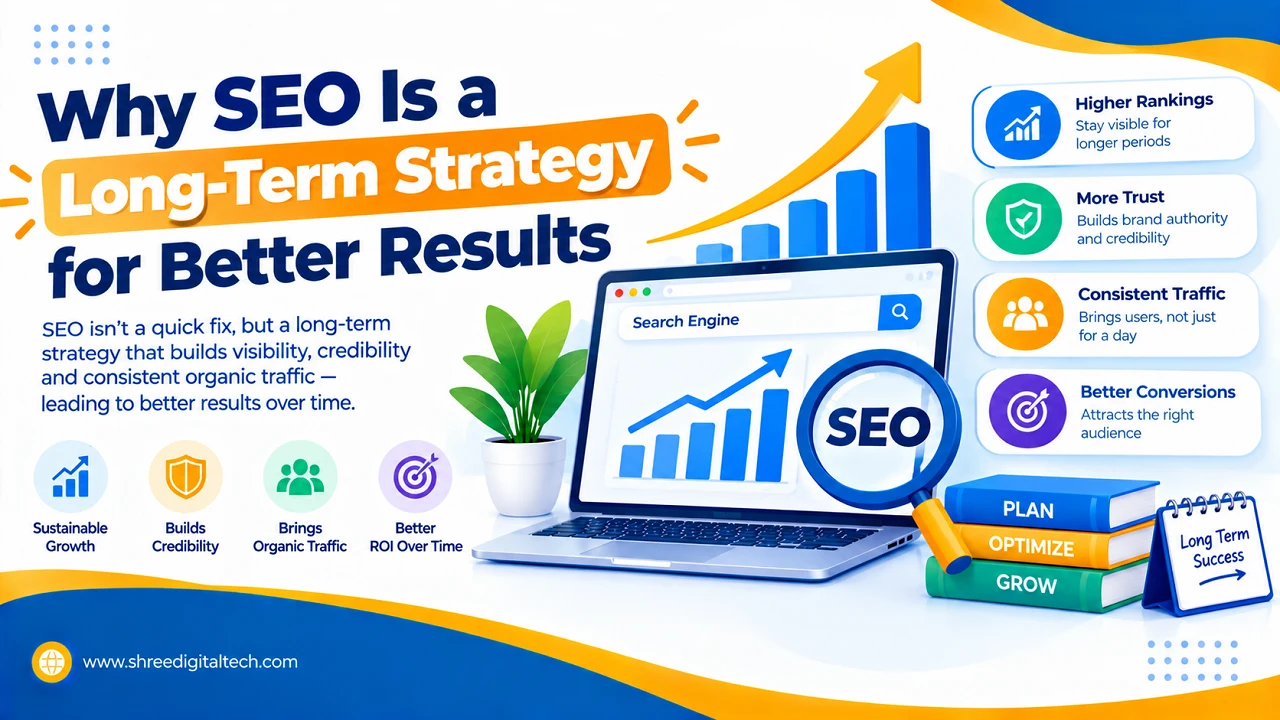
The Real Benefits of a Long-Term SEO Strategy
1. Traffic That Keeps Coming Without Ad Spend
One great thing about an SEO-driven strategy is that it brings in steady, high-quality traffic without spending money on ads. Your content is still driving traffic when it ranks for the keywords your audience is searching for. While paid advertising ends as soon as you stop paying, solid organic rankings can continue to generate traffic and enquiries without a continuing advertising spend.
2. Credibility and Trust
If you’re at the top of Google people will automatically assume you’re credible and trustworthy. Technical details like secure browsing (HTTPS), quick loading and good mobile design make users feel more confident, and as visitors return, that trust turns curious clicks into loyal customers.
3. A Better Website for Real People
SEO also means making your site easier to navigate, faster and responsive on every device. Search engines like sites that give a smooth, helpful experience. If a website is messy, cluttered or slow, despite having good content it might not rank well.
4. The Power of Compounding Growth
That’s the real magic of SEO. The more you produce, the more keywords you rank for, and the more relevant links you get. Your site gets authority and consequently, your visibility grows naturally. It’s like building equity. A blog post you write today could be one of your biggest traffic drivers six months from now and it will work for you for years.
Be Careful of the Quick-Result Promises
Be cautious of an agency that guarantees top three rankings for ten keywords in two months. Results like that are very difficult, if not impossible, to achieve without black hat SEO techniques. Using these shortcuts can get your website penalised and cancel out years of work.
Still, there are some safe things that can get you faster wins. Long tail keywords are less competitive and more specific, so your pages will rank faster. If you serve a certain area — like a bakery, plumber or salon, focusing on local search is also helpful. And don’t discount low-volume keywords. Especially if one lead pays for the page. They’re usually much easier to rank for.
Also Read: Why Your Website Loads Quickly on Desktop but Not on Mobile
The Real Secret is Consistency
SEO success is about consistency, not quick responses. Websites that consistently post useful content, keep their technical performance high, and make pages better for users are rewarded by search engines.
The key is not to respond to every tiny change, but rather to maintain a consistent approach that promotes long-term growth. Regular content, technical fixes, and ongoing monitoring all contribute to stable, lasting visibility.
SEO is not the quickest marketing channel. But it’s one of the few that continues to work long after the work’s done.
Frequently Asked Questions
1. How long does it take for SEO to work?
Usually 6 to 12 months for clear results like more traffic and leads. Small improvements (better indexing, small ranking gains) often come sooner (2 to 3 months).
2. Why did my rank go down when I didn’t do anything wrong?
There are many reasons why rankings change, be it an algorithm update, a new piece of competitor content, search trends or a technical problem. Short term movement is normal, and often self correcting.
3. Is SEO better compared to paid advertising?
They do jobs differently. Paid ads get instant visibility, but they stop when your budget stops. SEO is slower, but keeps driving traffic without ongoing ad spend. Many of them are used by both.
4. Can I stop SEO once I reach page one?
Not quite. Competitors are constantly improving and algorithms are always evolving. Work is being done to protect the ranks you’ve earned.
5. What are some ways to monitor my SEO progress?
Look at trends over three to six months, not week to week changes. Look at organic traffic, keyword movement, enquiries and conversions together, not just rankings.
6. Is content quantity more important than quality?
Quality wins. A few really useful, well-optimized pages will always beat dozens of thin ones and they will keep earning links and traffic for time to come.