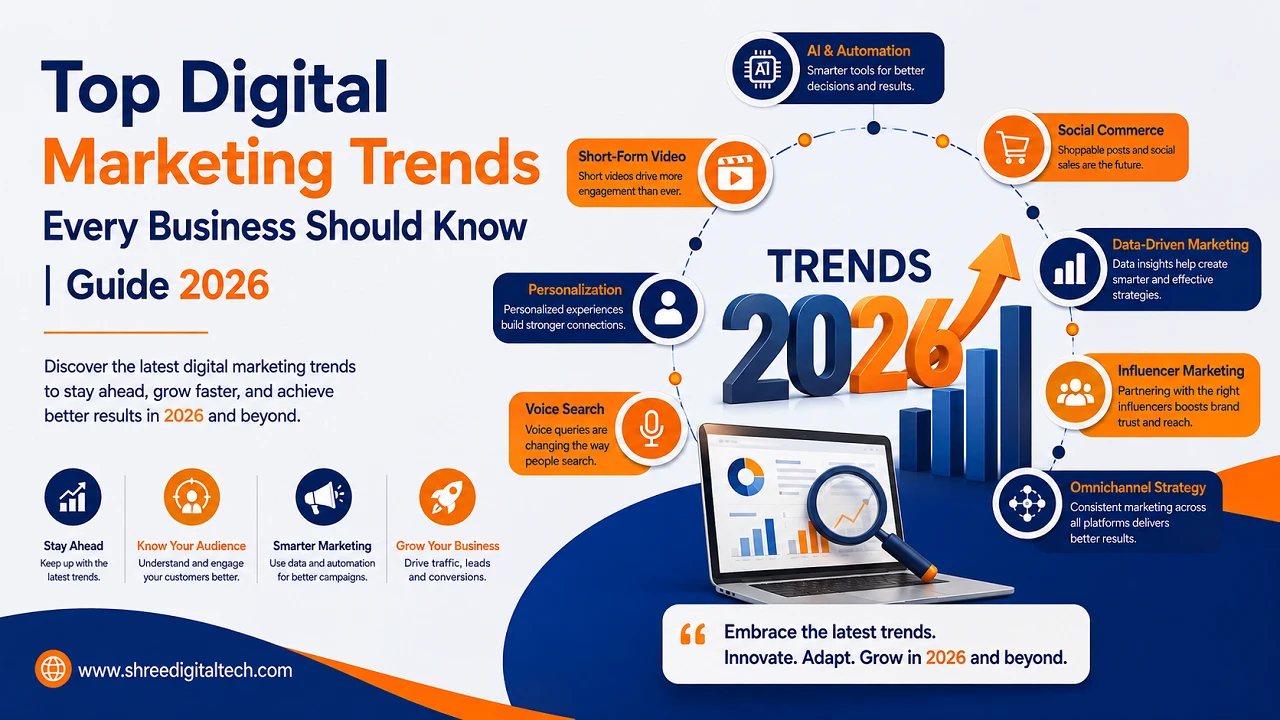
Digital marketing has been changing every year but 2026 feels different. Artificial intelligence has become part of everyday marketing work. Search engines are delivering answers, not links. Customers want faster, more personal experiences. If you own a business, big or small, being aware of these trends can help you attract more customers and stay ahead of the competition.
Here we will go over the biggest digital marketing trends in 2026 in very simple words so that you can understand it even if you are not a marketing expert.
1. AI Is Now Part of Every-day Marketing
A few years ago, AI was something new and exciting to play with. By 2026, it’s just the normal daily work of marketing. Businesses use AI to write ad copy, plan email campaigns, search through customer data, and even predict what a customer may buy next.
The good news is that AI tools are easy for even small businesses to use. It’s not just about building a big team anymore to run smart, personal campaigns. AI lets you get the right message to the right person at the right time.
But keep in mind, AI is best when supervised by humans. Always check the AI’s work, fix mistakes, and include the human touch customers rely on.
What you can do: Start off small. Try AI for just one thing, like writing social media captions or sorting your email list, and see how it helps before you use it everywhere.
2. Generative Engine Optimization (GEO) Is the New SEO
This is one of the biggest changes coming in 2026. People don’t just type questions into Google anymore. Many are now asking AI tools like ChatGPT and Gemini directly and instead of a list of links, those tools offer one clear answer.
This is known as a ‘zero-click’ search because the user gets the answer without having to click through to any website. Now businesses need to ensure their brand can be found, understood and mentioned by AI tools. This new practice is called Generative Engine Optimization, or GEO.
To do well in GEO your website content should be clear, well organised and written as if it is answering a real question. FAQs, simple headings, and proof like reviews or case studies all help AI trust your content more.
What you can do: Create content that answers real customer questions in simple language. Add FAQ sections to important web pages.
3. SEO still Matters, But it’s Smarter Now
Some believe that GEO has made SEO outdated, but that is not true. SEO is still very important but it’s just gotten smarter. Today search engines care less about keyword stuffing and more about giving users a good experience.
Websites that load fast, work well on mobile phones and have helpful, original content still rank better. Backlinks (links from other websites to you) and local SEO, like a well-maintained Google Business Profile, are also important, especially for small local businesses such as clinics, restaurants, or shops.
What you can do: Make sure your website is fast and mobile friendly. Write valuable blog posts, and not keyword-stuffed posts.
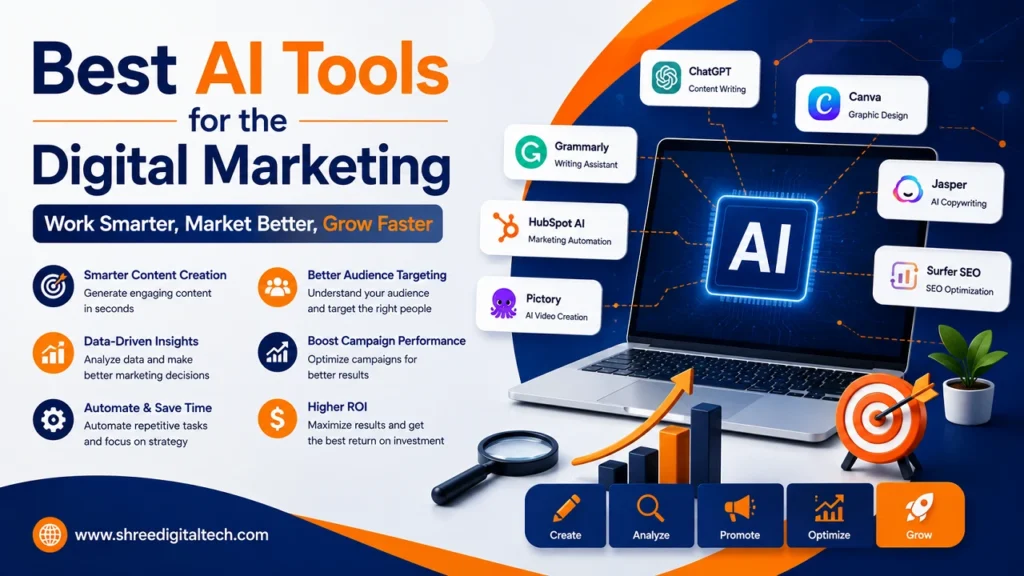
Also Read: Best AI Tools for Digital Marketing | 2026 Guide
4. Short-Form Video Keeps Growing
If you scroll through Instagram Reels, YouTube Shorts, or Facebook Reels, you know why short videos are so popular. People have less time and attention, so they like short, useful, fun videos instead of long texts or slow ads.
Short videos are a great way to show off your product and share tips or explain your service within seconds. They’re also spread faster since people share them easily so more people see your brand without extra ad spending.
What you can do: Start with one short video a week. Simple things like a quick tip, a behind-the-scenes video, or a customer story work well.
5. First-Party Data Is More Important Than Ever
Since privacy laws have become stricter, companies can’t follow their customers around like they used to. That’s why “first-party data” – information customers give you directly, through signups, surveys, visits to your website etc – is becoming so crucial.
“When customers trust a brand and get something valuable in return, such as a discount, a free guide or better recommendations, they feel more comfortable sharing their data. These organizations that create trust have better, more accurate data and better customer relationships.
What you can do: Give something in return for a customer’s email or details, such as a free checklist or newsletter. Be transparent about your use of their data.
6. Using Social Commerce to Make Social Media a Store
Platforms like Instagram, Facebook, and TikTok aren’t just places to post pictures or videos anymore. They are turning into full shopping platforms. Now within the app, customers can see a product, read the details, and buy it.
This is great for quick buying and being able to reach those younger customers that like to shop directly from their phones.
What you can do: If you sell products, tag and make them shoppable on your social media pages. Help make your posts feel genuine and useful, not like an ad.
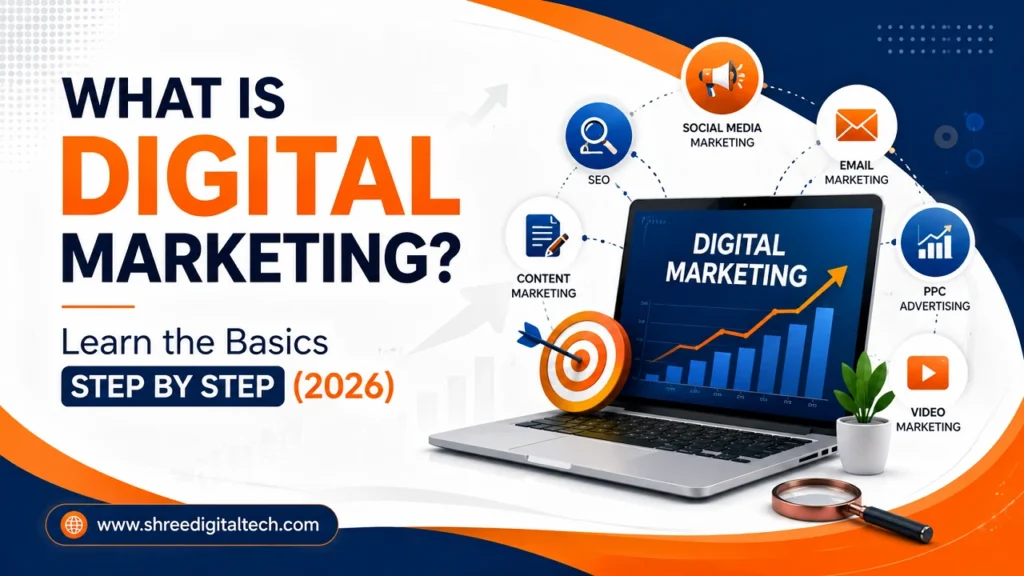
Also Read: What Is Digital Marketing? Learn the Basics Step by Step (2026)
7. Building Personal Branding Increases Trust
People trust people more than logos. When a business owner or expert shares their knowledge freely on LinkedIn, YouTube or social media, there is a stronger bond with the audience.
This is especially helpful for small business owners, doctors, lawyers, coaches and consultants. Seeing the real person behind the business makes customers feel more confident about their brand choice.
What you can do: Share your knowledge in simple text posts or videos. Tell us about your work, your experience and common customer questions
Putting It All Together
2026 is not about following every new trend. It’s about picking the ones that work best for your business and combining them into one easy plan. A good digital marketing plans these days is often built around smart SEO, GEO-friendly content, short videos, honest data collection, social commerce and a bit of personal branding, all working together.
Those that can blend AI with real human thought, and trust with technology, will continue to grow into and beyond 2026.
FAQ
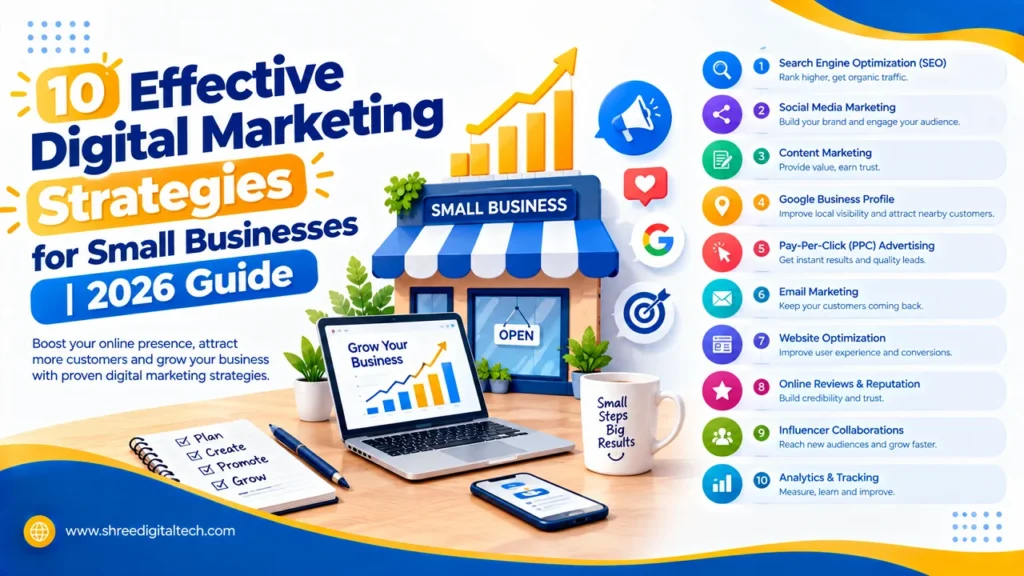
1. Is Digital Marketing Matters for Small Business?
Yes, higher than ever before. Customers will go online to a business before they will do anything. A strong online presence helps you stand out, build trust and win more customers.
2. Is AI really transforming digital marketing?
Yes. AI is helping us with content ideas, SEO, customer support and understanding customer data fast. But it works best in partnership with human creativity and judgement.
3. What makes short videos so popular today?
Short videos grab attention quickly, explain things quickly, and are shared more often. People just don’t have time so bite-sized content works better than long posts.
4. Is SEO still important in 2026?
Yes. SEO still matters a lot. It got smarter and now rewards useful content, fast websites, mobile-friendly design and good user experience, not just keywords.
5. What is GEO in digital marketing?
Generative Engine Optimization, or GEO, means writing your content so that AI tools like Gemini and ChatGPT can understand it and tell people about your brand when they ask.
6. Should small businesses use social commerce?
Yes, if you are selling products. Allowing customers to shop directly from social media removes extra steps and makes it easier to shop, which can increase your sales.