Social media isn’t just a place to share photos with friends anymore. Today it is one of the most powerful tools businesses have to find new customers, build trust and grow sales. If you are new to this world, no problem. This manual will walk you through the basics of social media marketing step-by-step. You will also learn how businesses can select the right platforms, develop useful content, reach their target audience and track their performance. If it’s done right and consistently, social media can be a fantastic part of your overall digital marketing strategy.
What is Social Media Marketing?
Social media marketing is the use of social media platforms like Instagram, Facebook, LinkedIn, TikTok and X (Twitter) to promote your brand, connect with your audience and grow your business online. You can get to thousands of people for no money or very little money as opposed to spending millions on TV or newspaper ads. It makes it a great choice for small businesses and big companies alike.
The best part is anybody can start. You don’t need a big team or a big budget. All you need is a good plan, good content and consistency.
Why Should You Use Social Media Marketing?
People spend a significant part of the day looking at social media. It’s a great way for businesses to reach potential customers where they already are. Some of the major benefits are:
- Cost Effective: Advertise your brand without the expense of traditional advertising.
- Reach expansion: Social media has billions of users, so your brand can reach a large audience.
- Establishing Trust: Speaking authentically to your audience can help to build a sense of trustworthiness for your brand.
- Traffic: You can direct people to your website or online store.
- Better Insights: Social media channels provide data about your audience so you can improve your strategy.
How to Develop a Social Media Marketing Strategy
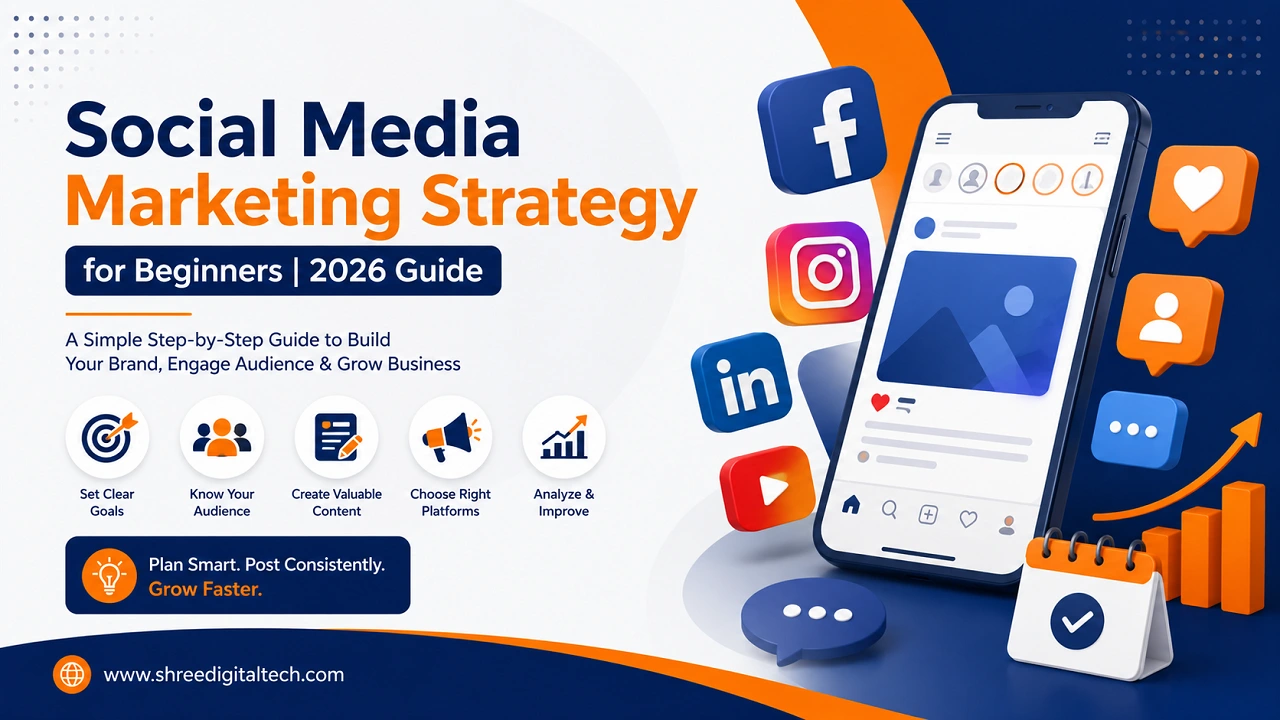
1. Set Clear Goals
Know what you want to achieve before you post anything. Want more followers, website traffic, or sales? Set goals using the SMART method. Specific, Measurable, Achievable, Relevant and Time-bound. For instance, Gain 20% more Instagram followers in three months” is a specific, measurable goal.
2. Understand Your Audience
Know your audience. Consider their age, location, interests, and platforms they use. This helps you create content that actually speaks their language, instead of guessing what might work.
3. Pick the Right Platforms
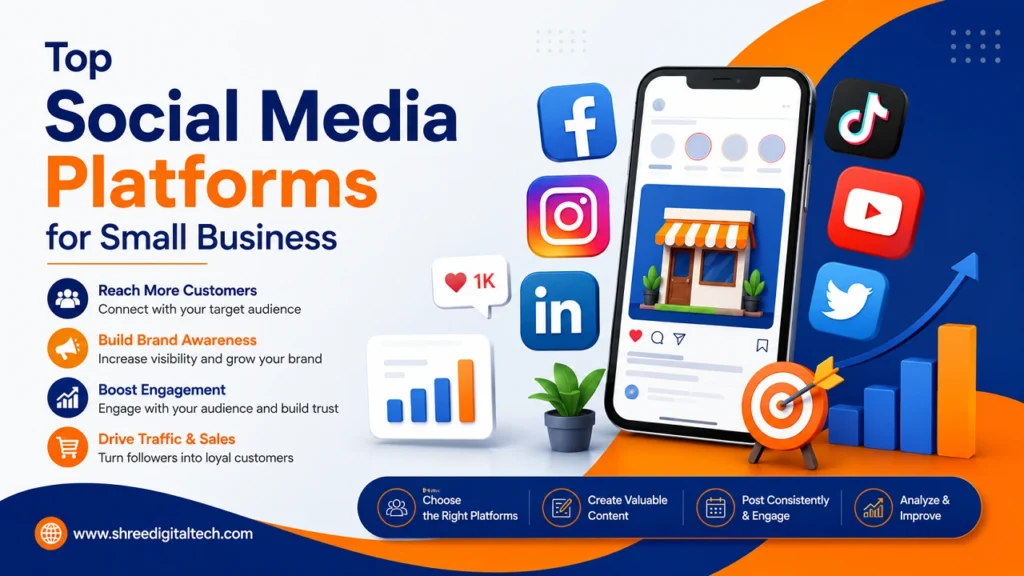
You don’t need to be everywhere. Choose a couple, two or three, that makes sense to your business, and your audience.
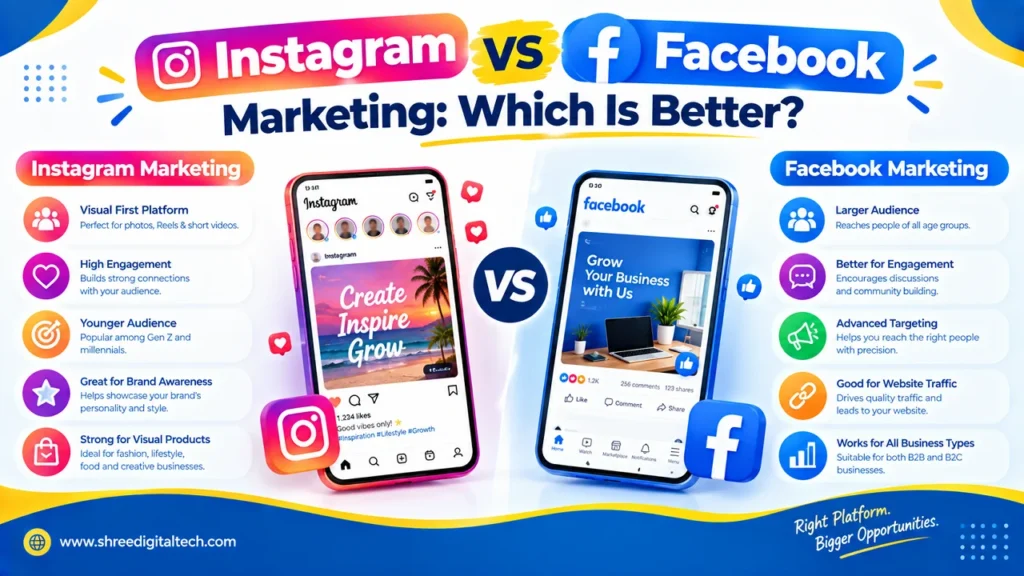
- Instagram is perfect for visual brands such as fashion, food and lifestyle.
- LinkedIn is Perfect for B2B businesses & professional networking.
- Facebook is great for building community and reaching a wide audience of all ages.
- TikTok great for short, fun videos for a younger audience.
- X (Twitter) is great for real time updates and customer service.
- YouTube is great for longer form content like tutorials and product demos.
4. Develop a Content Strategy
Schedule what you want to post and when you want to post it. Add some interest with images, video, polls, behind-the-scenes clips and customer stories. This will keep your feed interesting, and help you to stay consistent, which builds trust with your audience over time.
5. Post Regularly
It is more important to post regularly than to post a lot. The average brand will post three to five times per week, though this varies by platform. Use free or paid scheduling tools such as Buffer, Hootsuite or Canva to schedule your posts in advance so you don’t have to post manually every day.
6. Interact with your audience
Social media is more than just posting. And it’s listening and responding. Reply to comments, respond to messages and take feedback seriously. This makes your audience feel valued and fosters a stronger relationship with your brand.
7. Review Your Results
Use the analytics features that are built into each platform to see what works. Monitor stats such as:
- Engagement (Likes, comments, Shares)
- Reach (number of people who view your posts)
- Grow followers
- Clicks or conversions on the website
If it doesn’t work, don’t be afraid to try something else. Test and improve to get the most out of social media marketing.
Common Mistakes Beginners Should Avoid
- Uneven Posting: This can cause your audience to lose interest.
- Not Using Analytics: If you don’t even look at your data, how can you improve your strategy?
- Posting the Same Content Everywhere: Each platform is different so tailor your posts accordingly.
- Not Replying to Followers: Ignoring comments and messages can erode trust.
Closing Thoughts
Social media marketing doesn’t have to be scary. Set your goals, know your audience, choose the right platforms and keep quality content flowing. Your social media presence will grow organically over time, as you measure your results and learn what works best. Remember, with the right approach and a little patience, small can be mighty.
Frequently Asked Questions
1. What is social media marketing?
It is the process of using platforms like Instagram, Facebook and LinkedIn to promote a brand, engage with an audience and drive sales or traffic to a website.
2. How to Start Social Media Marketing as a Beginner?
First, define clear objectives, understand your target audience, choose the right channels, and develop a straightforward content strategy. The thing is to be consistent.
3. What is the best social media platform for beginners?
It’s all about your audience. Instagram is fantastic for visual content, LinkedIn for professional services, Facebook for community building.
4. How often should I post on social media?
Most brands post 3-5 times a week but it is based upon the platform and what the audience likes.
5. What are the tools for managing social media accounts?
Tools like Buffer, Hootsuite and Canva make it easy to schedule posts, create graphics and measure performance.
6. Is social media marketing costly?
Not necessarily. Posting organically is free, and paid ads can start with a very low daily budget.
7. How to measure success in social media marketing?
Track metrics like engagement rate, reach, follower growth, and clicks to your website to measure the effectiveness of your strategy.
8. Is social media marketing effective for small businesses?
Yes. With creative, authentic, and consistent efforts, small businesses can compete with, and sometimes outperform, larger brands with viral content.