Open your phone right now and you’re surrounded by it. The ad that followed you from a product page to your Instagram feed. The email reminding you that your cart is still waiting. The blog post that answered your question and quietly introduced you to a brand you’d never heard of. None of this happens by accident — it’s digital marketing, working in the background of almost every online experience you have.
For businesses, digital marketing has stopped being a “nice to have” and become the primary way they find customers, build trust, and grow revenue. For individuals, it has become one of the most practical, learnable, and career-flexible skills available today — one you can pick up without a formal degree, a big budget, or years of prior experience.
This guide walks through what digital marketing actually is, how it works, and how to start learning it in a structured way.
What Is Digital Marketing?
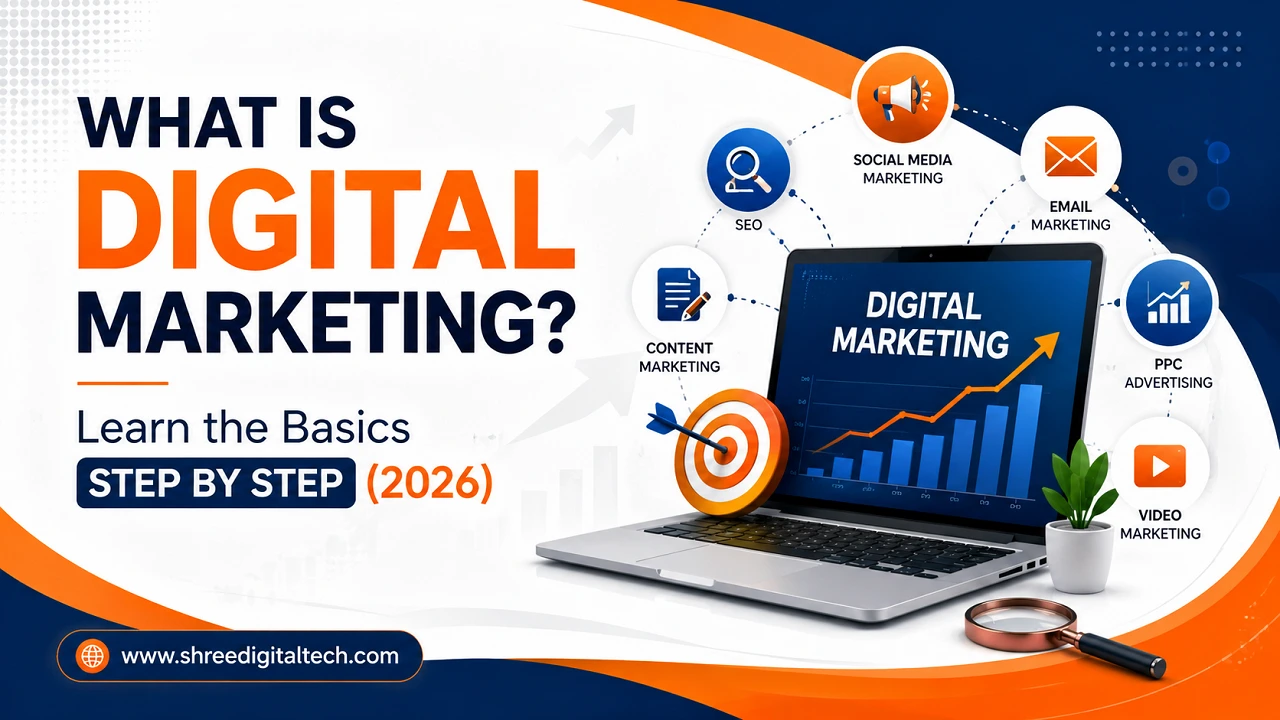
Digital marketing is the practice of promoting products, services, or brands through digital channels — search engines, social media, websites, email, and mobile apps — rather than traditional offline methods like television, print, or billboards.
At its core, the goal doesn’t change from traditional marketing: reach the right audience, communicate value, and drive them toward a decision. What changes is the medium, and with it, the level of precision. A newspaper ad reaches whoever happens to read that page. A well-run digital campaign can reach a specific person, in a specific city, with a specific interest, at a specific moment in their day — and then tell you exactly how they responded.
That combination of targeting and measurability is what makes digital marketing fundamentally different from, and often more efficient than, its traditional counterpart.
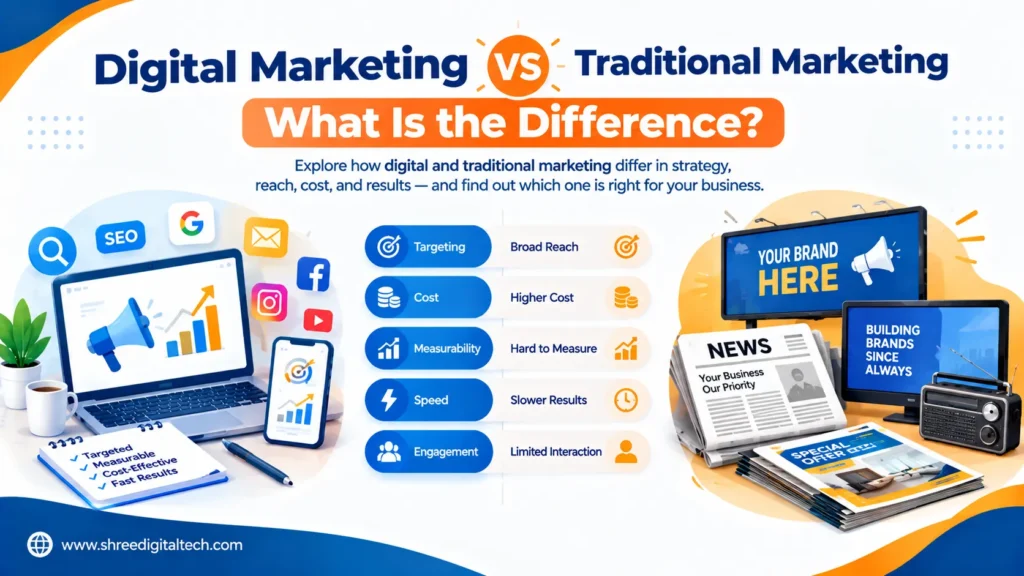
How Is Digital Marketing Different from Traditional Marketing?
Traditional marketing is built around mass reach and one-way communication — you buy space, you run the ad, and you wait to see if sales move. Digital marketing flips that model. Instead of guessing who’s watching, you can define your audience by age, location, interests, and online behaviour before you spend a single rupee or dollar. Instead of waiting weeks for results, you can see clicks, views, and conversions in real time and adjust your approach the same day.
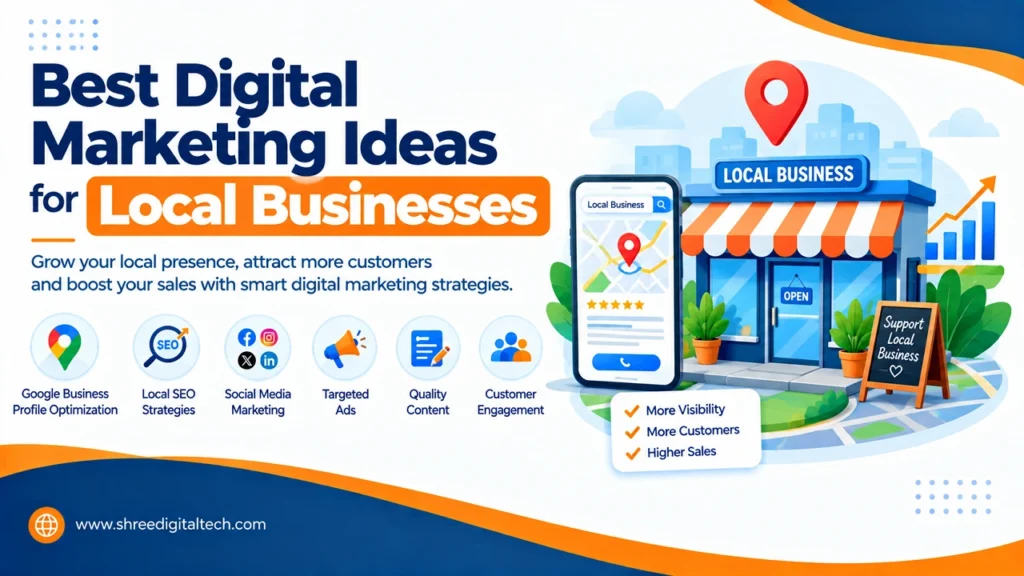
This shift also changes who gets to participate. A local shop with a modest budget can now compete for attention alongside a national brand, simply by being sharper with its targeting, content, and consistency — something that was nearly impossible in the era of TV and print advertising.
Why Digital Marketing Matters More Than Ever in 2026
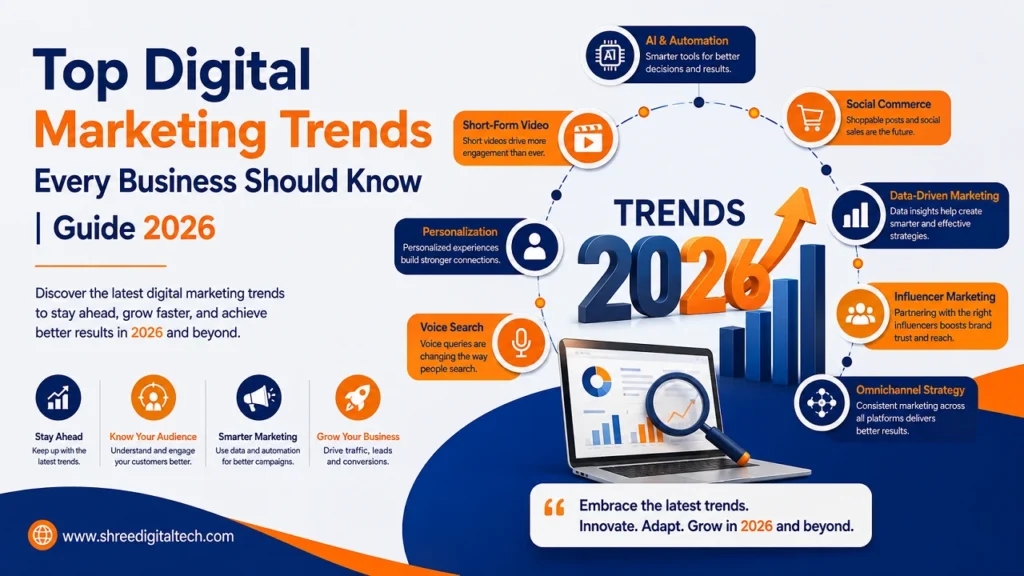
A few shifts have made digital marketing more central to business strategy than it’s ever been. Mobile devices now account for the majority of internet traffic worldwide, which means marketing has to be designed mobile-first, not adapted for mobile as an afterthought. Artificial intelligence has also changed how campaigns are built and personalized — tools can now analyze customer behaviour and tailor messaging at a scale no human team could manage manually.
At the same time, short-form video has become a primary discovery channel, especially for younger audiences who are more likely to find a brand through a Reel or Short than a search engine. And because so much of this work can be done remotely, digital marketing has also become one of the more flexible career paths available — usable for a full-time job, a freelance business, or marketing your own venture.
None of this means digital marketing has gotten easier. If anything, competition for attention has increased. But the businesses and individuals who understand the fundamentals — not just the tools, but the thinking behind them — continue to have a real advantage.
The Main Types of Digital Marketing
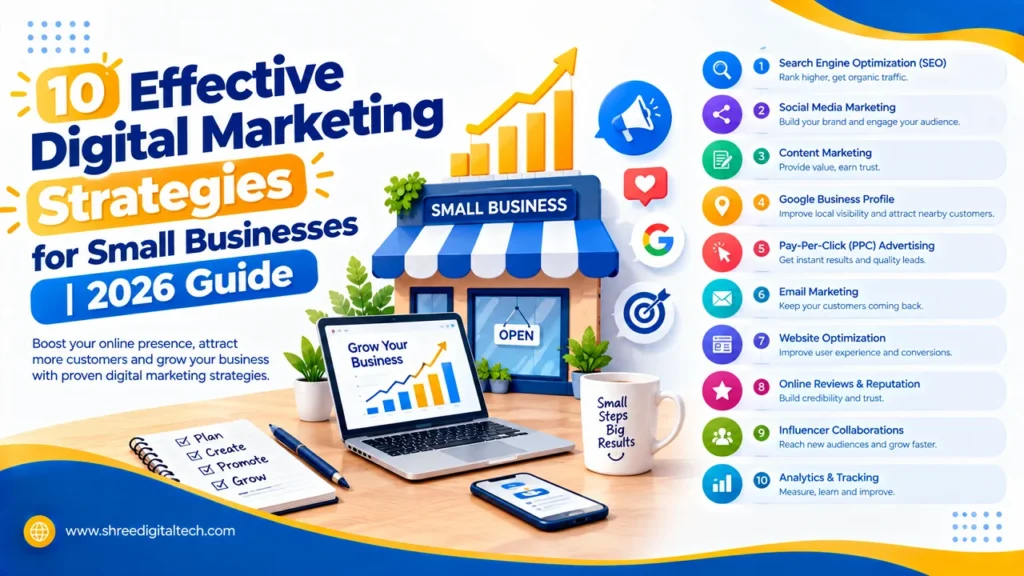
Digital marketing isn’t a single skill; it’s a collection of specialized disciplines that usually work together. Here’s what each one actually involves.
Search Engine Optimization (SEO)
SEO is the process of improving a website so it ranks higher in organic (unpaid) search results. It involves understanding what your audience is searching for, structuring content and web pages to answer those searches clearly, and building the technical and authority signals that search engines use to decide rankings. SEO is slower to show results than paid channels, but the traffic it generates tends to be more sustainable and cost-effective over time.
Search Engine Marketing / Pay-Per-Click (PPC)
This is the paid counterpart to SEO — running ads on platforms like Google Ads that appear at the top of search results, where you pay each time, someone clicks. It’s the fastest way to get visibility for a new website or product, though costs can climb quickly in competitive industries if campaigns aren’t managed carefully.
Social Media Marketing
This covers both organic content and paid advertising on platforms like Instagram, Facebook, LinkedIn, and X. Done well, it’s less about broadcasting and more about building a community that trusts your brand enough to engage with it and, eventually, buy from it.
Content Marketing
Content marketing focuses on creating genuinely useful material — articles, guides, videos, newsletters — that earns attention by being valuable first and promotional second. It’s the foundation most other digital channels rely on, since good content is what you’re distributing through SEO, social, and email in the first place.
Email Marketing
Despite being one of the oldest digital channels, email remains one of the highest-return ones, largely because you’re speaking directly to people who’ve already chosen to hear from you. It’s used for everything from welcome sequences to newsletters to post-purchase follow-ups.
Affiliate and Influencer Marketing
Both rely on borrowed trust. In affiliate marketing, partners promote your product and earn a commission on resulting sales. In influencer marketing, you typically pay a flat fee for a creator with an established, engaged audience to feature your brand. The difference is largely in the compensation model, but both work because people trust a recommendation from someone they already follow more than an ad from a brand.
Video and Mobile Marketing
Video marketing spans long-form YouTube content to short-form Reels and Shorts, and it’s increasingly the format audiences prefer over text. Mobile marketing — SMS, push notifications, app-based promotions — meets people where they already spend most of their screen time, making it one of the most direct, if easily overused, channels available.
How Digital Marketing Works, Step by Step
A digital marketing campaign, regardless of channel, tends to follow a similar arc. It starts with research — understanding the audience, what they need, and where they already spend time online. From there, a strategy takes shape: clear goals (awareness, leads, or sales), a defined audience, and a choice of which channels are worth the investment.
Once the strategy is set, content gets created — the ads, posts, emails, or articles that will actually carry the message. That content is then distributed through the chosen channels, both organic and paid, and its performance is tracked using analytics tools that show exactly how people responded. That data feeds back into the strategy, and the campaign is refined accordingly.
This loop — research, strategy, execution, analysis, refinement — never really closes. It’s what separates digital marketing from a one-off advertisement: the ability to keep improving based on real evidence instead of guesswork.
Skills and Tools You’ll Actually Need
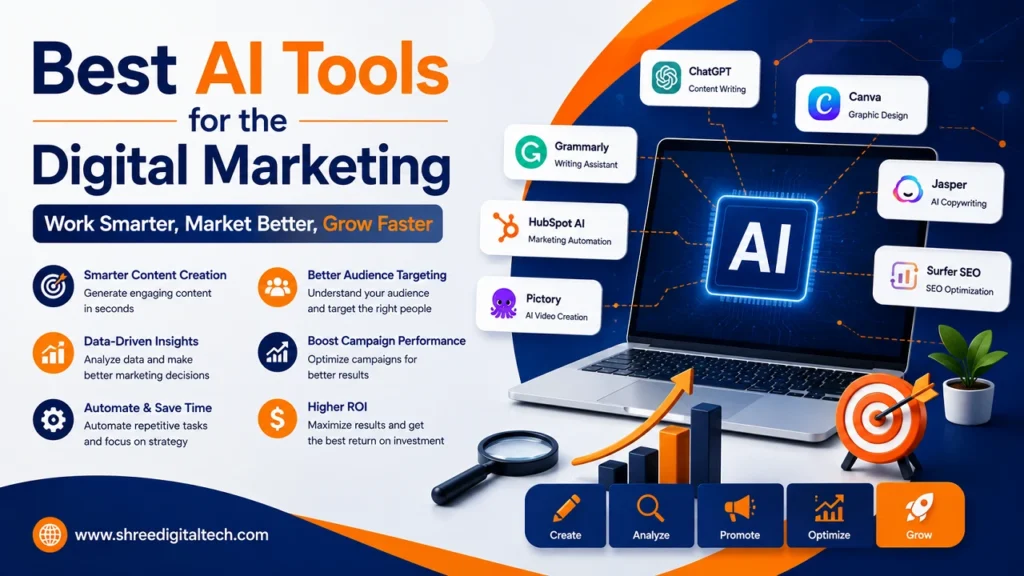
The technical tools matter less than the thinking behind them, but you will need to get comfortable with a few. On the analytical side, that means tools like Google Analytics and Google Search Console to understand how people find and behave on a website. On the creative side, something like Canva covers most early design needs without requiring any design background. For running campaigns, platforms like Google Ads and Meta Ads Manager are the standard entry points, and for staying organised with content, scheduling tools like Buffer or Later help maintain consistency across social channels.
Underneath the tools, though, the skills that actually determine whether someone succeeds in digital marketing are less technical: being able to write clearly and persuasively, reading data well enough to know what it’s actually telling you, and understanding your audience deeply enough to know what will genuinely resonate with them rather than what simply looks good on a slide.
Career Paths and Earning Potential
Digital marketing branches into several specialized roles, and most people gravitate toward one or two rather than trying to master everything. Common paths include SEO specialist, social media manager, content marketer, PPC or performance marketing executive, email marketing specialist, and — with enough experience — digital marketing manager overseeing a broader strategy.
What makes the field attractive isn’t just the range of roles, but the flexibility around them. The same core skills apply whether you’re employed full-time at a company, freelancing for multiple clients, or running marketing for your own business, which is part of why digital marketing consistently ranks among the more resilient and in-demand skill sets in the job market.
The Real Benefits — and the Real Challenges
The advantages of digital marketing are well established: it’s more affordable than traditional advertising, it can be measured precisely, and it allows a level of targeting that simply isn’t possible with a billboard or a newspaper ad. A small business can compete for attention against a much larger one, provided its strategy is sharp.
But the field isn’t without friction. Search and social algorithms change frequently, and a strategy that worked six months ago can lose effectiveness overnight. Competition has also intensified — the same low barrier to entry that makes digital marketing accessible also means more brands are fighting for the same attention. Rising ad costs, tightening data privacy regulations, and the sheer amount of content online making it harder to earn genuine trust are all real constraints anyone in this field has to work around. None of this makes digital marketing a bad bet — but it does mean treating it as a discipline that requires ongoing learning, not a one-time skill to check off.
Getting Started: A Practical Roadmap
If you’re beginning from scratch, the most effective route isn’t trying to learn every channel simultaneously — it’s picking a starting point and building outward. SEO and content marketing are usually the strongest foundation, because they teach you how audiences search, what they actually want, and how to communicate value clearly — skills that transfer directly into paid ads, email, and social media once you get there.
From there, the fastest progress comes from combining free structured learning — Google’s Digital Garage, HubSpot Academy, and quality YouTube channels all offer solid groundwork — with an actual project of your own. A small blog, a niche Instagram page, or even managing social media for a local business at no cost gives you something real to point to, which matters far more to employers and clients than a certificate on its own. Consistency, more than intensity, is what tends to separate people who actually become proficient from those who stay stuck at the tutorial stage.
Final Thoughts
Digital marketing in 2026 isn’t a trend to catch up on — it’s the environment most businesses now operate in by default. The channels and tools will keep evolving, but the underlying skill of understanding an audience and communicating value clearly doesn’t go out of date. Start with one channel, build something real, and let consistency do the rest.
Frequently Asked Questions
1. Is digital marketing still worth learning in 2026?
Yes. As more business activity moves online and AI reshapes how campaigns are executed, the demand has shifted toward marketers who understand strategy and audience behaviour — not just how to operate a tool. That combination is still in short supply.
2. How do I start digital marketing as a beginner with no experience?
Pick one channel to focus on first, learn its fundamentals through free resources, and then apply what you learn on a real project — your own blog, page, or even unpaid work for a small local business. That practical experience matters more early on than any certificate.
3. How can I learn digital marketing in 2026?
Combine structured free learning (Google Digital Garage, HubSpot Academy, credible YouTube channels) with consistent hands-on practice. Reading about SEO or ads without applying them rarely builds real skill.
4. Can I learn digital marketing by myself?
Yes, and most people who work in the field today did exactly that. The resources are freely available; what usually determines success is whether someone practices consistently rather than just consuming content passively.
5. What are the disadvantages of digital marketing?
The main ones are intense competition due to a low entry barrier, frequently changing platform algorithms, rising ad costs in competitive niches, the need for continuous learning as tools and trends shift, and growing data privacy regulations that make precise targeting more complicated than it used to be.
6. Can I start digital marketing with no money?
Yes. Free tools like Canva, Google Analytics, and Search Console, combined with organic strategies like SEO, content, and social media, let you build real skills and a portfolio without any ad spend. Paid advertising becomes useful later, but it isn’t a requirement to begin.
7. What’s the first thing to learn in digital marketing?
Start with SEO and content marketing basics. They teach you how search engines and audience intent actually work, which makes every other channel — paid ads, email, social — far easier to understand once you get to it.